Dental crowns are a popular solution for restoring damaged teeth and improving oral health.
If you’re searching for dental crowns near you, understanding why crowns are used can help you decide if this treatment is right for you.
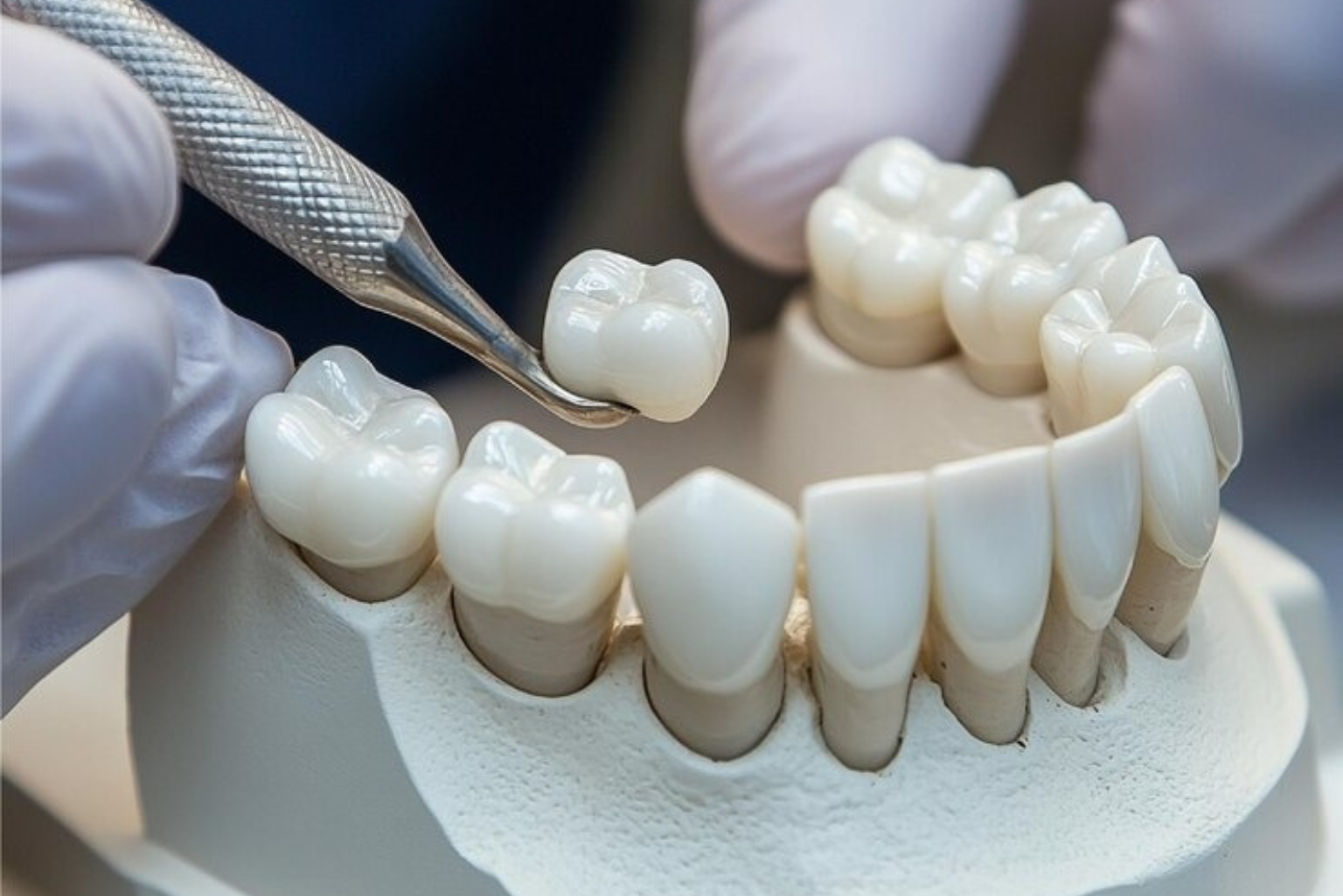
Crowns are designed to cover and protect a tooth that has been weakened by decay, damage, or previous dental work.
They restore strength, function, and appearance, making them a versatile option for many dental issues.
7 Major Reasons You Should Receive Dental Crowns
Protecting a Weak or Cracked Tooth
One of the most common reasons for a crown is to protect a tooth that is weak or cracked.
If left untreated, a weak tooth can break further, leading to pain and potential tooth loss. Cracked tooth crown treatment reinforces the tooth and prevents future damage.
Restoring a Broken or Severely Worn Tooth
Teeth that are broken or worn down due to grinding, injury, or decay often need a crown to restore their structure.
Crowns provide a durable, natural-looking solution that allows you to bite and chew comfortably.
Covering a Large Filling
When your tooth has a large filling, the remaining structure might not feel strong enough to support it – this is when a crown can help cover the tooth and hold it together to prevent any fracture in the future.
Protecting After a Root Canal
Teeth that have undergone root canal therapy can become brittle over time. Crowns protect these teeth, preventing cracks and extending their lifespan.
Cosmetic Improvements
Crowns can help improve the look of your teeth. If you have discoloured or misshapen teeth, a crown can help achieve a uniform, natural-looking smile.
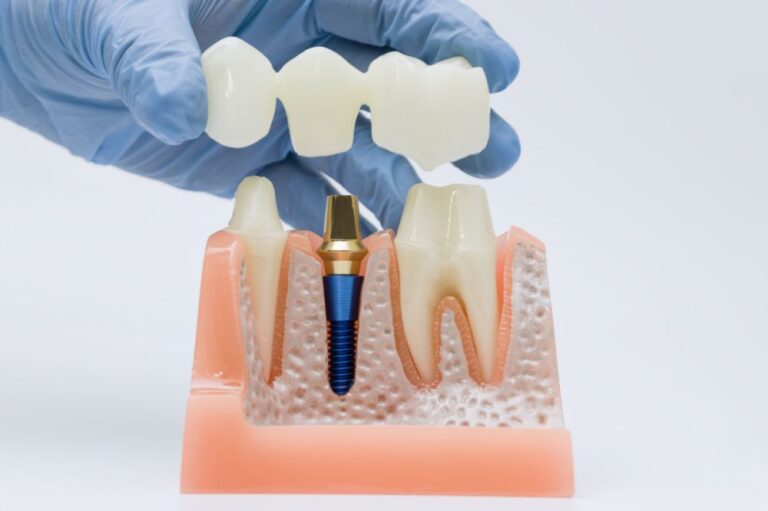
Supporting a Dental Bridge
While replacing your missing teeth with a dental bridge, crowns are placed on the neighbouring teeth to anchor the bridge.
This anchored process makes sure you achieve proper tooth function.
Same-Day Dental Solutions
Advances in dental technology allow for same-day dental crowns, which are convenient for patients who want immediate results.
Using digital impressions and in-office milling machines, many clinics can design, fabricate, and place crowns in a single appointment.
How to Find the Right Clinic
Choosing the right provider is essential for successful crown treatment.
Visiting a trusted Aspen dental clinic ensures you receive high-quality care, precise fitting, and professional guidance.
Ask about materials, procedures, and recovery to make an informed decision.
Tips for Maintaining Your Crowns
- Brush and floss regularly to prevent decay around the crown.
- Avoid chewing very hard foods on crowned teeth.
- Visit your dentist for regular checkups to ensure the crown remains secure.
- Report any discomfort or changes immediately to your dental provider.
Restore Your Smile with Confidence
Dental crowns are one of the best solutions to protect and restore your smile.
From a cracked tooth crown treatment to a cosmetic improvement, they help treat several dental problems to improve your oral health.
At Montreux Dental Clinic, our team offers customized crowns with care and quality in mind – we can help you find the right option, including same-day dental crowns, to restore your smile.
Schedule a visit today and explore how dental crowns can transform your oral health.
FAQs
How long do dental crowns last?
Dental crowns typically last 10–15 years with proper care. Good oral hygiene and avoiding hard foods can extend their lifespan.
Is getting a crown painful?
Most patients feel little to no pain, as the procedure is done under local anesthesia. Mild sensitivity may occur for a few days after placement.
Can a crown fall off?
Yes, a crown can become loose or fall off if the cement weakens or the tooth underneath decays. Your dentist can reattach or replace it quickly.
Are all crowns the same?
No, crowns vary in material—porcelain, ceramic, metal, or a combination. Your dentist will recommend the best type based on durability, appearance, and your needs.