Dental problems happen to almost everyone at some point. A cracked tooth, a cavity, or a missing tooth can make eating and smiling hard. This is where dental restorations help. At a trusted dental clinic near you, dental restorations improve tooth strength and function, helping you enjoy daily life with a healthier, confident smile.
But one common question patients ask is simple: How much does dental restoration cost, and why does the price change? Here’s a clear look at what affects the cost.
What Are Dental Restorations?
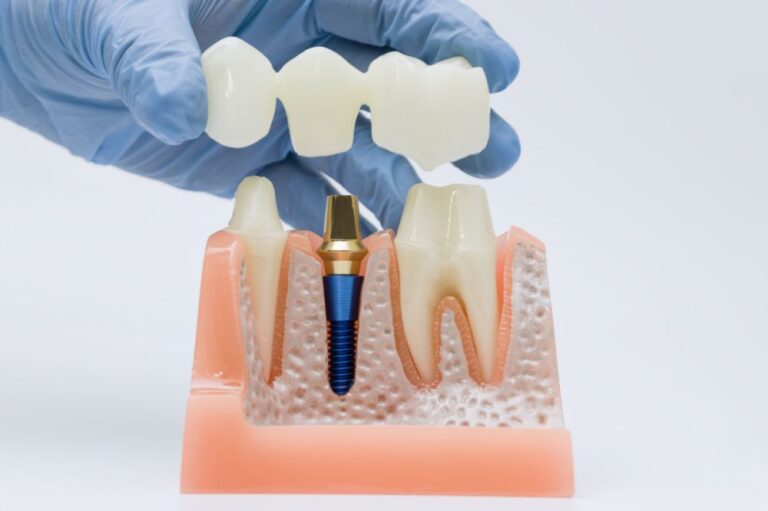
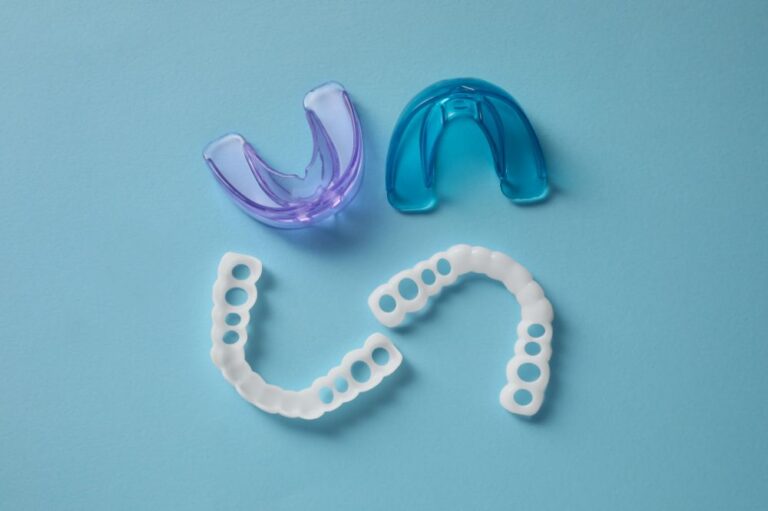
Dental restorations are treatments that repair or replace teeth. Dentists use them to protect oral health and improve how teeth work. Some common types include fillings, crowns, bridges, dentures, and dental implants.
Each type serves a different purpose. A small cavity may only need a filling, while a weak or broken tooth may need a crown. Missing teeth often need implants or bridges. Because the treatment changes, the cost changes too.
What Is the Average Dental Restoration Cost?
There is no single price for all treatments. The cost of dental restorations in Aspen depends on the type of care you need and the condition of your teeth. A simple filling usually costs less than a crown. A dental implant costs more because it involves surgery and healing time.
Dentists always examine your teeth first. After the exam, they explain the treatment and create a clear plan, so you know what to expect before starting.
Factors Affecting Dental Restoration Price
Many patients are surprised to learn how many things affect cost. Here are the main factors affecting dental restoration price:
1. Type of Restoration
A filling, a crown, or an implant all use different materials and skills. More complex treatments usually cost more.
2. Materials Used
Dentists may use composite resin, porcelain, metal, or ceramic. Stronger, longer-lasting materials often cost more, but they can last longer as well.
3. Tooth Condition
Before getting a restoration, a tooth with severe decay or an infection may need other treatment. The more the steps, the higher the cost.
4. Location of the Tooth
Back teeth handle more chewing force. Restorations for these teeth may need stronger materials.
5. Dental Clinic and Dentist Experience
A trusted dental clinic near you with trained staff, modern tools, and strong safety standards may charge more—but you also get quality care and peace of mind.
Are There Affordable Dental Restoration Options?
Yes, and this is good news. Many patients worry they cannot afford care, but affordable dental restoration options do exist.
Dental professionals often help patients choose a treatment that fits their budget without harming oral health. To ease the stress, payment plans, insurance and more can help. Early intervention can save money by preventing larger problems later. It is important to always communicate with your dentist. It is okay to ask questions. A good clinic will help you understand choices, not rush you.
What Should You Expect During Treatment?
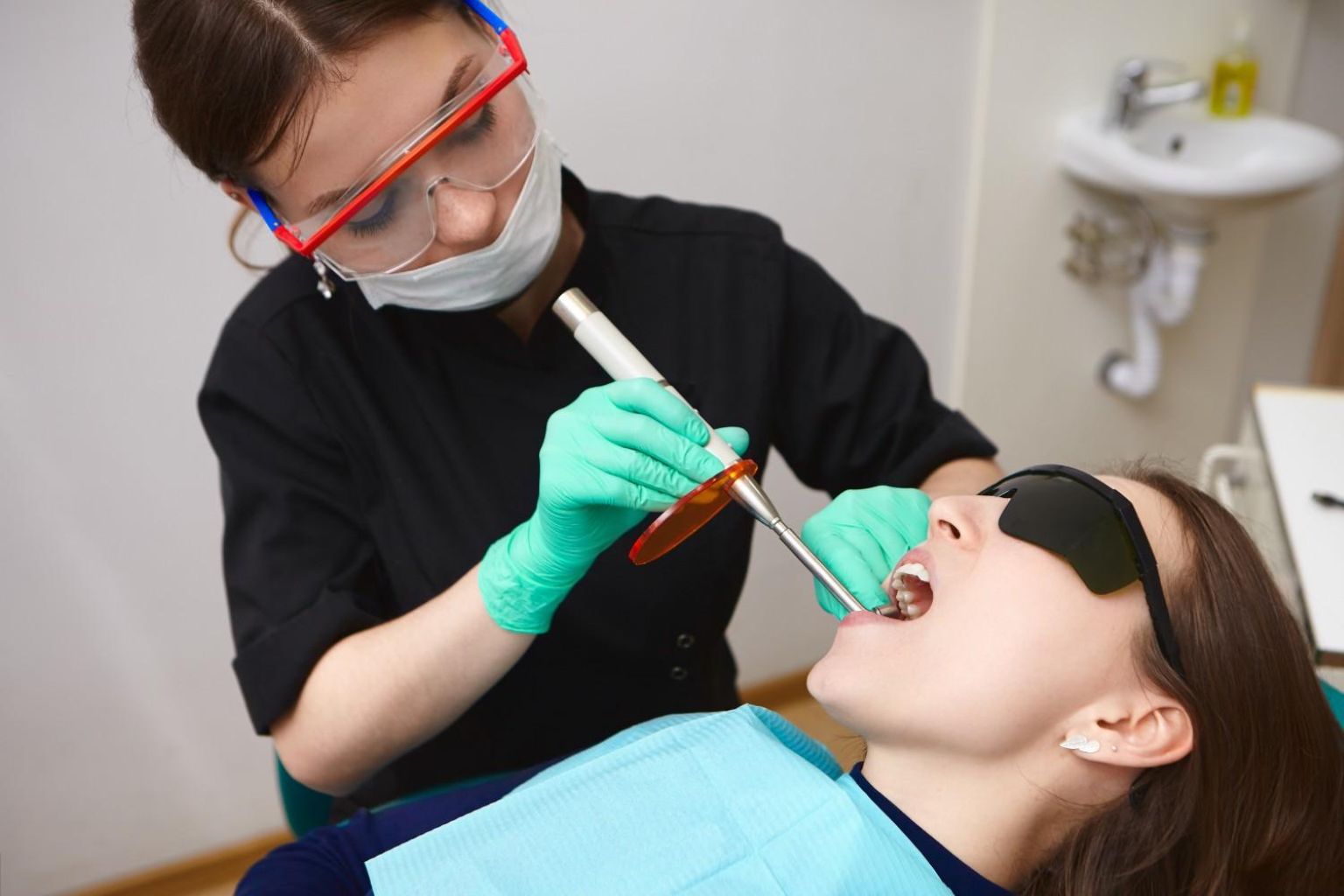
Most dental restorations are done in one or two visits. The dentist numbs the area to keep you comfortable. You may feel pressure, but not pain.
After treatment, mild soreness is normal. Dentists offer care tips to support healing. Brushing, flossing, and regular checkups help restorations last longer.
Final Thoughts
Dental restorations are an investment in your health. They help you eat better, speak clearly, and smile with confidence. While prices vary, understanding the factors that affect dental restoration costs enables you to plan better.
Bring Back Your Smile With Dental Restoration!
Montreux Dental Clinic provides dental restorative care to repair damaged teeth and improve oral health. Our team uses safe, proven treatments like fillings, crowns and bridges to restore strength and function. We explain every step in simple words so you feel comfortable. Each treatment plan is made to fit your needs. Schedule your visit today to protect your smile.
FAQs
Are dental restorations necessary?
Yes. They help protect your teeth from more damage and keep your mouth healthy and working the way it should.
Do dental restorations hurt?
No. Dentists use local anesthesia so you stay comfortable during the procedure. Most patients feel little to no pain.
How long do dental restorations last?
With proper brushing, flossing, and regular dental visits, many restorations can last for many years.
Can I delay dental restoration treatment?
It’s not a good idea. Waiting can lead to bigger problems and higher costs. Getting treatment early is usually the better choice.