Will a dental bridge feel like a natural tooth? Missing teeth can affect your smile, your ability to eat and speak, and your confidence. If you are thinking about restorative options, you may wonder how a dental bridge will feel. Visiting a dentist in Aspen can help you understand what to expect and how to adjust to your new bridge. Learning how dental bridges work, how long it takes to feel normal, and how to care for them can make the process easier.
For patients looking for dental bridges, this treatment is a popular solution because it restores function and appearance efficiently. Bridges are designed to fit comfortably in your mouth while replacing missing teeth, providing a natural look and improving oral health.
How Dental Bridges Work
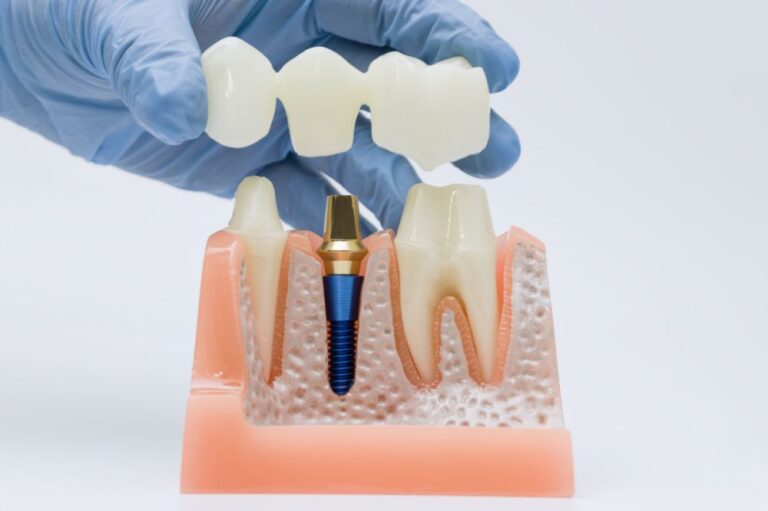
Dental bridges are prosthetic devices that fill gaps left by missing teeth. They are anchored to adjacent natural teeth, which are called abutment teeth, while the replacement tooth, or pontic, fills the space of the missing tooth.
The materials used for dental bridges near you include:
- Porcelain or ceramic for a natural look.
- Metal fused with porcelain for strength and durability.
- Full metal for areas where appearance is less of a concern.
The procedure typically involves preparing the abutment teeth to hold crowns. After impressions are taken, the bridge is custom-made to fit your mouth and then cemented in place.
Will a Dental Bridge Feel Natural?
Many patients worry about whether a bridge will feel normal. Initially, it’s common to notice:
- A slight pressure on the abutment teeth.
- Awareness of the new tooth while chewing or speaking.
- Minor changes in bite or speech.
These sensations usually fade over a few days to weeks as your mouth adapts to the bridge. Your body and brain need time to adjust to the new shape, thickness, and placement in your bite. With proper care and follow-ups, the bridge will feel increasingly natural.
Adjusting to Your New Bridge
Adjusting to a dental bridge requires patience and proper care. Some tips include:
- Begin with soft foods for a few days.
- Avoid sticky or hard foods that may damage the bridge.
- Chew on both sides of your mouth to distribute pressure evenly.
- Practice speaking and reading aloud if you notice slight changes in speech.
Regular dental visits at a dental clinic near you ensure your bridge fits correctly and any minor bite adjustments are made early.
Dental Bridges vs Implants
When deciding on tooth replacement, many patients compare dental bridges vs. implants. Each has its benefits, depending on your oral health, time, and budget.
Dental Bridges:
- Anchored to adjacent teeth.
- Usually completed in 2–3 dental visits at a dental clinic in Aspen.
- Less expensive initially.
- May require alteration of healthy teeth.
Dental Implants:
- Surgically placed into the jawbone.
- Acts as a natural tooth root.
- Longer-lasting solution.
- Requires sufficient bone and healing time.
Bridges are a great option when adjacent teeth already need crowns or when patients want a faster solution. Implants, while more durable, require a longer treatment and healing period.
Caring for Your Dental Bridge
Proper care helps your bridge last longer and feel more natural. Poor oral hygiene can lead to decay or gum disease, which may compromise the bridge.
Tips for taking care of a dental bridge:
- Brush your teeth two times a day with a soft toothbrush.
- Floss around your bridge using a floss threader or special floss.
- Rinse your mouth with antibacterial mouthwash to stay clean.
- See your dentist regularly for cleaning and checkups.
Looking after your bridge this way helps it stay comfortable and last for many years.
Signs Your Bridge May Need Attention
Even with careful maintenance, a bridge may need adjustment or repair. Contact your dentist if you notice:
- Looseness in the bridge.
- Persistent discomfort or sensitivity.
- Difficulty chewing.
- Swelling or irritation around supporting teeth.
Early intervention can prevent more serious dental problems and help your bridge last longer.
The Benefits of Dental Bridges
Dental bridges not only restore the appearance of your smile but also improve oral function. Some key benefits include:
- Restoring your ability to chew and speak properly.
- Maintaining the shape of your face.
- Preventing remaining teeth from shifting.
- Offering a faster solution compared to implants.
Bridges are designed to blend seamlessly with your natural teeth, making them feel and look natural over time.
Ready to Enjoy a Natural, Comfortable Smile?
Dental bridges can help you regain full function, chew comfortably, and smile with confidence. By understanding the adjustment period and practicing proper care, your bridge can feel natural and last for years. Book a consultation with Montreux Dental today and begin your journey to a healthy, strong, and beautiful smile.
FAQs
How long does it take for a dental bridge to feel natural?
Most patients feel comfortable with their bridge within a few days to a couple of weeks. Minor awareness of the bridge is normal during the adjustment period.
Can I eat normally after getting a bridge?
Yes. Start with soft foods and gradually return to your regular diet. Avoid sticky or very hard foods at first.
How long do dental bridges last?
With proper care, dental bridges can last 10–15 years or longer. Regular dental visits are essential to monitor their condition.
Will a dental bridge affect my speech?
Initially, slight changes in speech may occur, but most patients regain normal pronunciation after a few days.