Keeping a bright and healthy smile takes more than just brushing at home. It takes a steady partnership with a professional. Most people wonder if the “twice a year” rule fits everyone or if they need to go more often. When you see a dentist in Aspen for a check-up, the goal is to find tiny problems before they turn into painful emergencies. Going to these visits acts like a shield, saving you from expensive fixes and long hours in the chair later.
By staying ahead of plaque and tartar, you make sure your natural teeth and gums stay strong for a long time.
Deciding How Often You Need A Cleaning
While many people do great with two visits a year, some might need to look for oral hygiene near you more often.
Your health and how you live change how often the team needs to see you for a deep cleaning and exam.
- High-Risk Needs: People who smoke or have diabetes might need a professional cleaning every three or four months.
- Normal Care: If you have great habits at home and no history of cavities, a visit every six months is usually perfect.
- Pregnancy: Changes in your body during pregnancy can make your gums sore, so an extra cleaning is a smart move.
- Braces: If you wear braces, food gets stuck very easily, which means you need more professional help to keep things clean.
How Do Cleanings Help Your Dental Work?
If you are missing teeth, your visit schedule might change to make sure your new teeth stay in good shape.
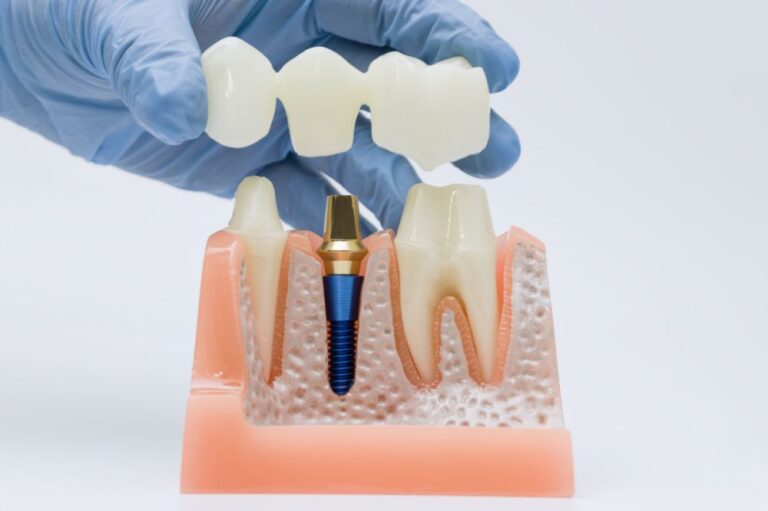
Keeping an eye on dental bridges near you is very important because the teeth holding that bridge are under extra pressure.
- Checking the Anchor: The team makes sure the teeth holding the bridge don’t get cavities around the edges.
- Cleaning Underneath: Special tools are used to clear out food that can get stuck under the fake tooth.
- Strong Structure: Regular exams catch small cracks in the porcelain before the whole bridge breaks.
- Healthy Gums: If gums get swollen around a bridge, the bone underneath can shrink, which ruins the fit.
Why Is A Local Clinic The Best Choice?
Building a friendship with a trusted dental clinic near you makes it much easier to stay on your schedule.
When the dental clinic is close to your home, you are less likely to skip visits when you get busy with work or family.
- Family Appointments: Local clinics often let you book the whole family at once to save you time.
- Fast Help: Knowing exactly where to go if a tooth breaks helps you stay calm and get help fast.
- Your History: A steady team can watch changes in your mouth over many years, making it easier to spot new problems.
- Comfort: The staff learns what you like and what makes you nervous, which makes every visit much easier.
Cleaning Schedule Guide
|
Type of Person |
How Often to Go |
What the Team Focuses On |
|
Healthy Adult |
Every 6 Months |
Removing plaque and checking for holes |
|
Smoker |
Every 3-4 Months |
Checking for mouth cancer and stains |
|
Diabetic |
Every 3-4 Months |
Managing red or swollen gums |
|
Child |
Every 6 Months |
Watching how teeth grow and fluoride |
Taking Care Of Your Teeth Between Visits
A trusted Aspen Dental clinic will always give you a special plan to follow at home.
The work you do in your own bathroom is just as important as the work done in the clinic to keep your breath fresh and your teeth strong.
- Cleaning Between Teeth: Brushing only cleans about sixty percent of the tooth; you must use floss to reach the rest.
- Tongue Cleaning: Most bad breath germs live on the back of your tongue, so cleaning it every day makes a big difference.
- Enamel Protection: Using toothpaste with fluoride helps fix the minerals lost to sugary or acidic foods.
- Take Your Time: Brushing for a full two minutes makes sure the toothpaste has enough time to work.
Simple Tricks For Better Mouth Care
The team will often give you oral hygiene tips to help you avoid common mistakes that lead to sore teeth or yellowing.
Small changes in your habits can lead to much better reports during your check-ups.
- Soft Brushes Only: Hard brushes can actually scrub away your enamel and hurt your gums, so stick to soft ones.
- Wait to Brush: Acid in food softens your teeth; wait thirty minutes after eating before you brush to avoid scratches.
- Drink Water: Drinking water during the day washes away food bits and keeps your mouth from getting too dry.
- New Brush: Getting a new toothbrush every three months makes sure the bristles actually work.
Setting Up A Daily Habit
Your oral hygiene routine should be simple, so you never feel like skipping it, even when you are tired.
Doing the same thing every day is the secret that prevents the need for big surgeries later in life.
- Nightly Focus: Never go to sleep with food on your teeth, as germs are most active while you rest.
- Morning Refresh: Brushing in the morning gets rid of the “film” that builds up overnight.
- Self-Checks: Take a second once a week to look in the mirror for any new red spots or bleeding in your gums.
- Get Advice: Always ask the team which areas of your mouth you are missing so you can do a better job next time.
Keep Your Smile Healthy for a Lifetime
Taking time for your dental health is one of the best choices you can make for your body.
By following a steady schedule and keeping up good habits at home, you stay safe from the pain and high costs of bad teeth. You deserve to feel brave every time you laugh or speak, knowing your smile is at its best. Being active about your care is the only way to make sure your teeth stay as strong as you are. At Montreux Dental Clinic, we are ready to help you make a plan that fits your life and keeps you smiling. Is it time for your next cleaning or a long-overdue check-up? Contact Montreux Dental Clinic today to book your visit and take the first step toward a healthier smile!
Frequently Asked Questions
1. Is it bad if my gums bleed when I floss?
Bleeding is a sign of red or swollen gums, but if you keep flossing gently, the bleeding usually stops in a few days.
2. Can I use mouthwash and skip the floss?
Mouthwash kills germs, but it cannot pull out the sticky plaque that gets trapped between teeth like floss can.
3. Does a white smile mean my teeth are 100% healthy?
Not always, because you can have white teeth with hidden holes or gum problems that only an expert can see.
4. Why do I need X-rays if nothing hurts?
X-rays see between the teeth and under the gums where the human eye can’t reach, catching problems early.