Are you experiencing sore jaws, sensitive teeth, or fatigue in your jaw upon waking up? Such symptoms may sometimes be caused by bruxism, which is a term for nighttime teeth grinding and clenching. A mouth guard in Aspen will help create an additional barrier between your upper and lower teeth, reducing the direct impact that teeth grind against each other during the night. There are various kinds of mouth guards depending on the individual case of each patient. Understanding how mouth guards work and when they may be recommended can help you make a more informed choice about protecting your teeth.
What Is a Mouth Guard?
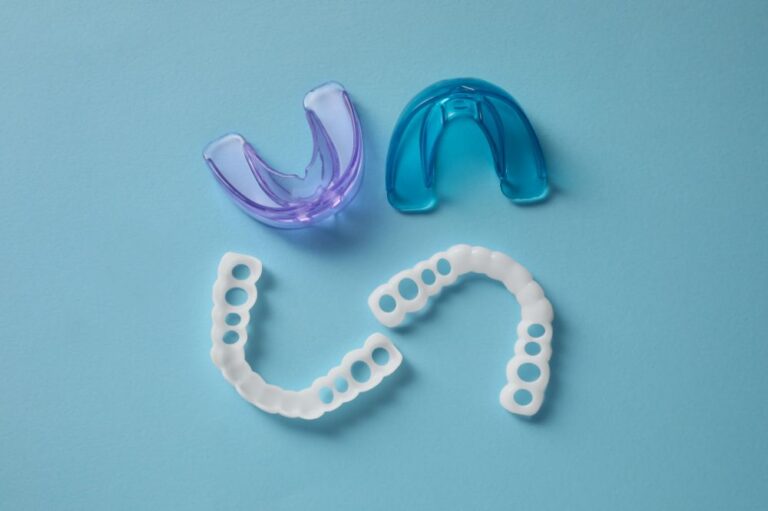
A mouth guard refers to a protective device worn over the teeth. It has different uses, such as protecting the teeth while playing some sporting activities, as well as reducing the impacts of teeth grinding during the night. The mouth guard can be chosen after examination by a dental specialist according to one’s needs. An appropriately fitted mouth guard will not cause discomfort or pressure to the teeth.
Why Do People Wear Mouth Guards?
Mouth guards can serve several purposes. The most suitable use depends on the dental concern being addressed.
A mouth guard may be recommended to:
- Protect teeth from grinding and clenching.
- Reduce direct contact between upper and lower teeth.
- Help protect teeth during contact sports.
- Reduce wear caused by repeated pressure.
- Provide a protective layer for teeth during sleep.
A mouth guard does not treat every cause of jaw or tooth discomfort, so an evaluation may be needed before choosing one.
How Do You Know If You Need a Mouth Guard for Teeth Grinding?
Certain signs may suggest that nighttime grinding or clenching could be affecting the teeth.
Possible signs include:
- Waking with jaw soreness or tiredness
- Frequent morning headaches
- Tooth sensitivity without another clear cause
- Flattened, worn, or chipped areas on the teeth
- Soreness around the jaw
- A partner noticing grinding sounds while sleeping.
These signs can have other causes, so they should not be used alone to diagnose teeth grinding.
Can a Mouth Guard Protect Teeth From Nighttime Grinding?
A common question is, “Can a mouth guard help prevent damage caused by nighttime teeth grinding?” A mouth guard can place a protective layer between the upper and lower teeth, which may reduce direct tooth-to-tooth contact. It may help limit some of the wear and damage linked with repeated grinding. However, it does not necessarily stop the underlying habit of grinding or clenching. The level of protection can depend on the appliance, how well it fits, and the severity of grinding.
What Is the Difference Between Custom and Store-Bought Guards?
A mouth guard near you may be available in different forms, but not every option provides the same fit. Store-bought guards are designed to fit a wider range of mouths. Custom guards are made based on the shape of the teeth and can provide a more precise fit. A professional assessment can help determine which type is appropriate. A guard that feels uncomfortable, moves around, or changes the way the teeth come together should be checked.
How Should a Mouth Guard Be Worn?
A mouth guard should be worn according to the instructions provided for its intended use. A nighttime guard is generally worn while sleeping, while a sports guard is used during activities where there is a risk of injury to the mouth. Do not force the mouth guard into place or bite down hard to keep it in position. If it causes pain, discomfort, or changes your bite, talk to a dentist in Aspen.
How Do You Clean and Store a Mouth Guard?
Good care can help keep a mouth guard clean and in usable condition.
After wearing it:
- Rinse it with cool or lukewarm water.
- Gently clean it as directed by the dental professional.
- Allow it to dry before placing it in its case.
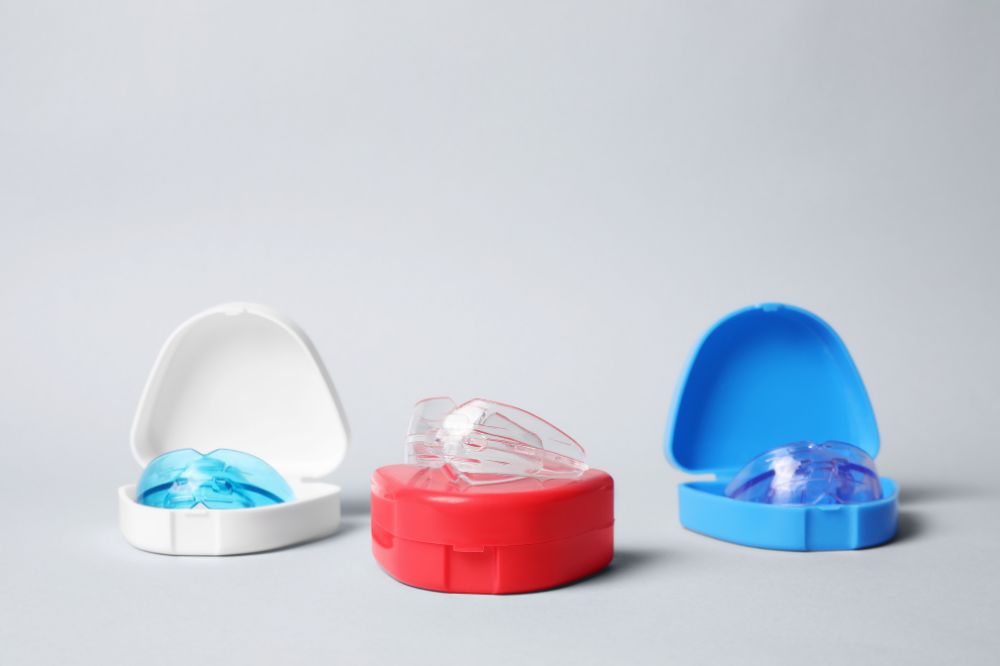
- Store it in a clean, ventilated container.
- Keep it away from pets and excessive heat.
Hot water can change the shape of some mouth guards, so follow the care instructions provided with the appliance.
When Should a Mouth Guard Be Replaced?
A mouth guard can wear down over time, especially when exposed to frequent grinding. Regular checks can help determine whether it still provides a suitable fit and level of protection.
Look for:
- Cracks or tears
- Thin or worn areas
- Changes in its shape
- A loose or uncomfortable fit
- Signs of heavy chewing damage
A dental clinic near you can examine the appliance and teeth if the guard becomes damaged or no longer fits properly.
Protect Your Teeth With the Right Mouth Guard!
Are morning jaw soreness, tooth sensitivity, or signs of tooth wear making you concerned about nighttime grinding? A dental assessment can help examine your teeth and jaw, identify signs of repeated pressure, and determine whether a mouth guard may be suitable for your needs. Understanding the cause of your symptoms can also help guide the right approach for protecting your teeth over time. Book an appointment with Montreux Dental for personalized advice and a detailed evaluation to support your ongoing oral health.
FAQs
1. Can children wear mouth guards?
Yes. Children may wear mouth guards, especially during sports. The guard should fit properly and suit the child’s age and growing teeth.
2. Can a mouth guard stop teeth grinding completely?
No. A mouth guard helps protect the teeth from grinding or clenching. It may not stop the grinding itself.
3. Is it normal for a new mouth guard to feel different?
Some adjustment may be needed when first wearing a mouth guard. Persistent pain, pressure, or an uncomfortable bite should be discussed with a dental professional.
4. Can a mouth guard protect dental crowns or fillings?
A mouth guard may help protect teeth and dental restorations from pressure caused by grinding, but suitability depends on the individual situation.