A sharp pain after biting something hard, or a piece of tooth breaking off during a meal, needs attention. A dentist in Aspen, Calgary, can check whether the damage is limited to the outer surface or extends deeper. Many damaged teeth can be repaired, but saving yours depends on the type of injury, how much healthy tooth remains, and whether the root is affected. An emergency dentist in Aspen, Calgary, can assess the injury and explain what is possible. Getting help promptly may keep a treatable crack from becoming harder to manage.
What Determines Whether a Tooth Can Be Saved?
A small chip is different from a tooth that has split into separate pieces. Your dentist will look at the break, check the gums, and ask when the symptoms began. Bite tests, temperature tests, and X-rays may help assess the damage. Some cracks do not show clearly on X-rays. Your dentist may need additional tests or refer you to an endodontist, a specialist who treats problems inside teeth.
To decide whether the tooth can be repaired, your dentist checks:
- How much healthy tooth remains
- Whether the nerve inside is damaged or infected
- How far the crack extends and whether it affects the root
If the tooth has split or cannot support a lasting repair, it may need to be removed.
How Broken or Cracked Teeth Are Slowly Getting Worse Every Day
A broken edge may seem manageable if it does not hurt. However, chewing puts pressure on the tooth, and a crack can spread. An opening can also allow bacteria to reach deeper areas, causing decay or infection. This does not mean every damaged tooth worsens daily at a predictable rate. Some superficial enamel cracks need only to be monitored. Others can progress without much warning, so pain alone cannot tell you how serious the damage is. Avoid repeatedly biting down to test the tooth. Tell your dentist if pain comes and goes, especially when you release your bite or drink something cold.
Which Treatments Might Help?
Treatment depends on what the examination finds. Your dentist may recommend one of these options:
- Bonding or a filling to repair a small chip or replace a limited amount of damaged tooth.
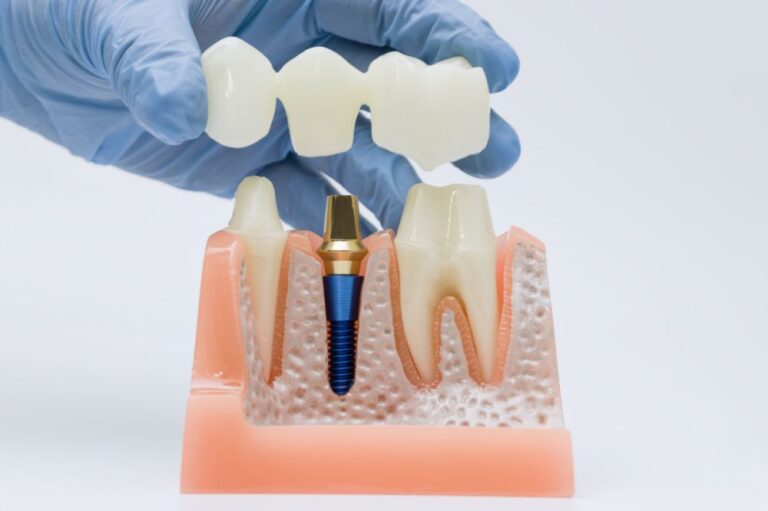
- A crown to cover and support a weakened tooth when enough healthy structure remains.
- Root canal treatment for irreversibly inflamed or infected pulp is usually followed by a protective dental restoration.
- Reattaching the broken piece if it is suitable for repair.
A crown supports the tooth, but the crack remains beneath the surface. Your dentist will check it at future visits for signs of further damage.
What Should You Do Before Your Appointment?
When you call an emergency dentist near you, explain how the tooth was damaged and whether it hurts, bleeds, or feels loose. Mention any swelling so the team can advise how soon you need to be seen.
Until you are seen:
- Rinse gently with warm water.
- Keep any broken fragments and bring them with you.
- Choose soft foods and chew on the other side.
- Use a cold compress on the outside of your cheek if there is swelling.
Do not use household glue or place aspirin against your gums.
If a permanent tooth is knocked out, hold it by the crown rather than the root. Keep it moist in milk if you cannot gently put it back in its socket, and seek immediate dental care. Never reinsert a baby tooth.
When Is Immediate Help Needed?
Call a dental clinic near you right away if a tooth is knocked out, the pain is severe, or the swelling is getting worse. A fever with tooth pain or swelling also needs prompt attention. A small chip that does not hurt may be less urgent, but book a visit to have it checked. Trouble breathing or swallowing, rapidly spreading facial or neck swelling, heavy bleeding that will not stop, or a suspected jaw fracture requires emergency medical care.
Why Dental Restorations Can Restore Your Confidence and Comfort
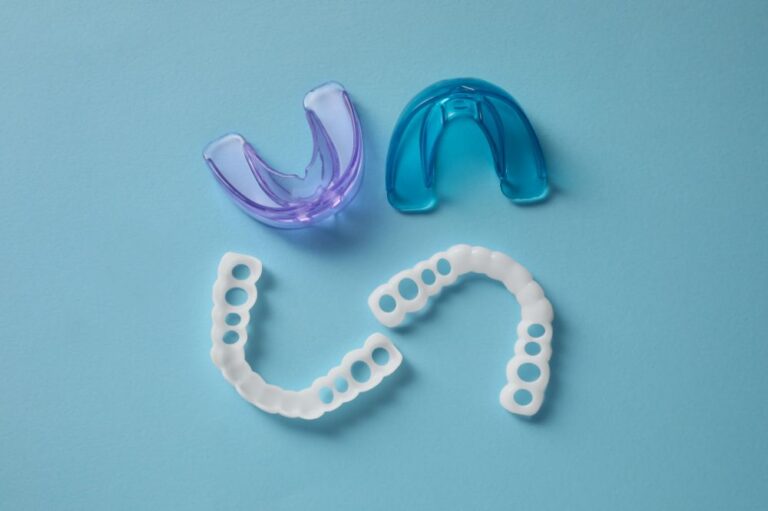
A damaged front tooth may make you reluctant to smile. A broken back tooth can make meals uncomfortable or leave a sharp edge against your tongue. Repair can improve the tooth’s shape and help you bite more comfortably. Tooth-coloured materials may also make the damaged area less noticeable. Results depend on the injury and the treatment used. If you grind your teeth at night, mention it during the appointment. Your dentist may recommend a night guard to help protect the tooth after treatment. Before leaving, ask how to care for the repair, which foods to avoid, and when to return. If your bite feels uneven or pain persists, let your dentist know.
Get Your Tooth Checked
Contact Montreux Dental Clinic to arrange an assessment for a damaged tooth.