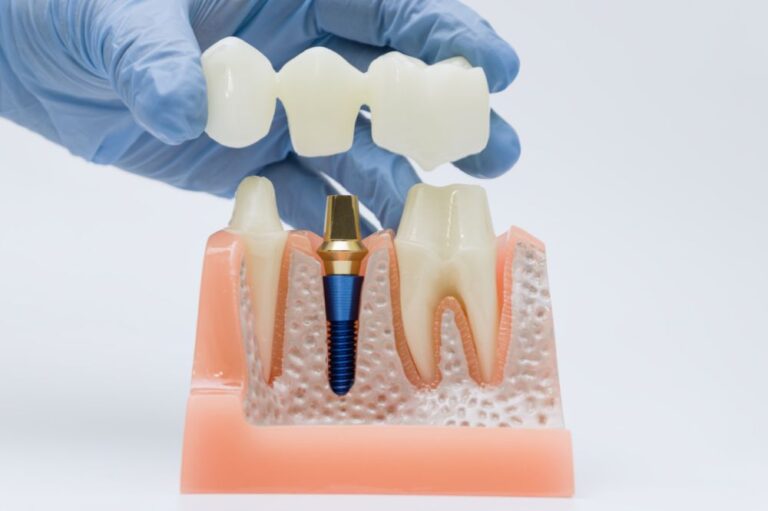
Biting into a crisp apple or enjoying a piece of crusty bread should feel comfortable. However, when a tooth is cracked, weakened, or worn down, chewing can become difficult. You might even start using the opposite side of your mouth to avoid discomfort. A visit with a dentist in Aspen, SW Calgary can help you understand what may be causing the problem and which treatments could help. One option is a dental crown, a restoration designed to cover and protect a damaged tooth. Understanding how crowns work can help you feel more prepared when discussing treatment.
What Is a Dental Crown?
A dental crown is a custom-made covering that fits over a tooth to restore its shape, size, and strength. Depending on the tooth’s condition and location, crowns may be made from porcelain, ceramic, metal alloys, or a combination of materials. Dentists may recommend dental crowns in Aspen, SW Calgary, when a tooth has extensive decay, a large filling, a crack, or significant wear. Crowns may also be used after root canal treatment or to support certain dental restorations.
How Does a Crown Help With Chewing?
Your teeth work together to break food into smaller pieces. When one tooth is damaged, biting pressure may become uncomfortable or uneven, making it harder to chew normally. The weakened tooth is covered with a crown, which restores its biting surface. This enables it to regain its shape and improve its functioning in conjunction with neighboring teeth. A crown protects the natural tooth structure by covering areas that are vulnerable to decay. The outcome depends on the tooth’s condition, the crown’s fit, and your overall oral health. Your dentist can explain what improvements may be expected in your particular situation.
What Happens to My Tooth Before the Crown Is Placed?
To prepare a tooth for a crown, a dentist undertakes several procedures to ensure correct fit and support for your bite.
- Examination: Your dentist examines the tooth and surrounding tissues and may take X-rays to assess the roots and supporting bone.
- Numbing: A local anesthetic is generally used to keep you comfortable during preparation.
- Tooth preparation: A small amount of enamel and other tooth structure is reshaped to create room for the crown.
- Impression or digital scan: The tooth’s shape and bite are recorded so the crown can be made to fit.
- Temporary protection: A temporary crown may cover the prepared tooth while the permanent restoration is being made.
If decay or infection requires attention, that issue may need to be treated before the final crown is placed. At the next appointment, the dentist checks the crown’s fit, appearance, and bite before securing it.
Why Does My New Crown Feel Different From My Natural Teeth?
A new crown may feel different, even if it fits perfectly. Your tongue can detect small changes in shape and feel, so your restored tooth will not feel exactly like your other teeth. The crown may have a smoother surface than natural enamel, or the surrounding gum tissue may feel slightly tender after treatment. Some temporary sensitivity to temperature can also occur. However, a crown that consistently feels too high when you bite down should be checked. Persistent discomfort or sensitivity also deserves attention. Your dentist can assess the bite and make adjustments if needed rather than leaving you to get used to an uncomfortable fit.
How Can You Care for a Dental Crown?
Good daily habits help protect both the crown and the natural tooth underneath it. Although the crown itself cannot develop tooth decay, the exposed tooth near its edges remains vulnerable. Most dentists advise you to brush with fluoride toothpaste twice a day, floss around the crown, avoid chewing ice and other very hard objects, and have regular dental examinations. If you grind your teeth, ask if a night guard is appropriate. When looking for dental crowns near you, ask about materials, maintenance, and the recovery process. Depending on your oral health and treatment needs, your dentist can explain the options.
Restore Your Confidence in Everyday Chewing
A dental crown can help restore a damaged tooth’s shape and function, making everyday chewing more comfortable. The right approach depends on the condition of your tooth, your bite, and your overall oral health. If you have questions about dental crowns in Aspen, SW Calgary, the team at Montreux Dental can discuss your concerns, explain the treatment process, and help you understand the options appropriate for your needs.
Frequently Asked Questions
How long does a dental crown last?
A crown can last for many years, but it depends on the material, placement, biting forces, and oral hygiene. Frequent dental checkups assist your dentist in tracking its condition and spotting any issues early.
Is getting a dental crown painful?
Usually, a local anesthetic is used to minimize discomfort. You may feel some sensitivity or gum tenderness afterward. Reach out to your dentist if the discomfort lingers or becomes more noticeable.
How many appointments are needed for a crown?
Traditional crowns usually require two appointments: one for tooth preparation and another for fitting the permanent restoration. Some dental offices offer same-day crowns, depending on their equipment and the clinical situation.
When should I contact a dentist about my crown?
Contact a dental clinic near you if your crown feels uneven, becomes loose, cracks, or causes ongoing pain. Swelling around the tooth also warrants prompt assessment so the cause can be evaluated.