
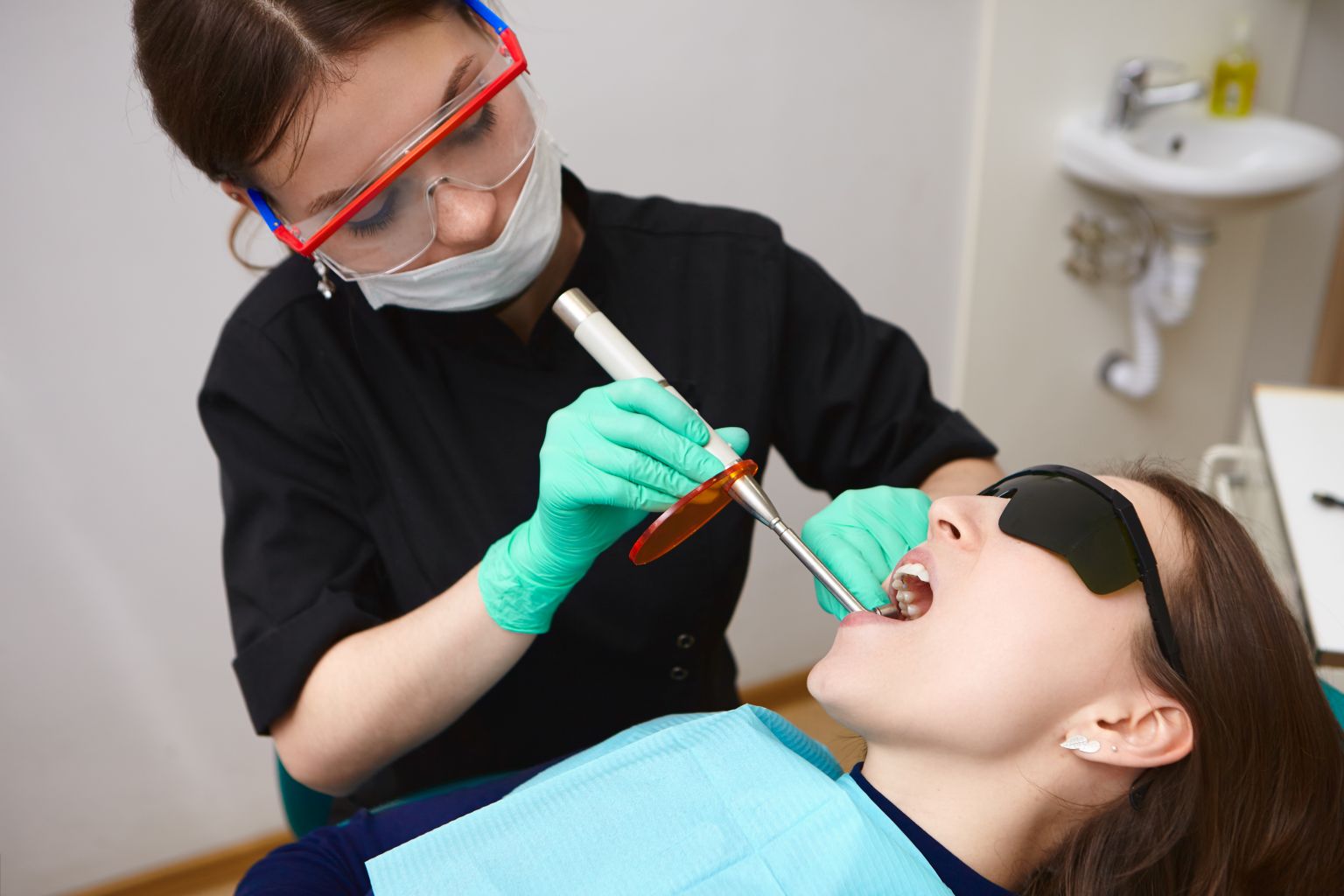
Taking care of your mouth is more than just brushing. If you visit a dentist near you for routine professional cleanings, it can have a major impact. Your smile will become better and stay that way for years to come.
How regular oral hygiene near you contributes to long-term wellness is something that will help you make the right decision for yourself.
Importance of Oral Hygiene Cleanings for Overall Oral Health.
The plaque and tartar that are left behind when you brush your teeth are removed during professional cleaning. Why are oral hygiene cleanings vital for dental wellness? It is the most common question that every individual thinks about. A regular dental cleaning lessens the chances of getting gum disease, tooth decay, or tooth loss. It will help keep your smile functional and looking great.
Bacteria can become trapped in difficult-to-reach areas of the mouth. No matter how thorough your routine is, plaque cannot be completely removed. Only a professional can remove tartar after plaque has hardened. If we don’t take action, tartar can lead to other issues such as inflammation, bleeding gums, deep gum pockets and eventually bone loss.
Routine cleanings protect your mouth and overall health, too. Several studies have linked gum disease to systemic medical problems like heart disease, diabetes, and respiratory infections. Good gum care is a vital step to protecting your overall health.
Steps Involved in Professional Oral Hygiene Cleanings.
If you know what steps are involved in professional oral hygiene cleanings, you feel prepared and confident to see your nearby dental provider. While the process can be altered slightly based on your oral health needs, most cleanings include these steps.
- Initial Examination.
The dental hygienist will first check your gums, teeth, and mouth for inflammation, plaque and other dental issues. This step ensures that the cleaning is done according to your specifications.
- Scaling.
Scaling refers to the process which helps in the removal of tartar and plaque from the tooth surfaces and below the gums. Dental practitioners use either manual scalers or ultrasonic tools to extract hardened deposits.
- Polishing.
Once scaling is over, polishing of teeth is done using an abrasive paste. When your tooth surface is made smooth, plaque deposition is less likely to take place in the future. It makes your teeth appear clean and bright.
- Flossing and Rinsing.
The hygienist finishes cleaning your teeth with some flossing. It gets rid of any last bits of debris. After rinsing, you will no longer feel like you have food particles stuck in your mouth.
- Fluoride Treatment (Optional but Recommended).
You might need a fluoride application, depending on your needs. Fluoride makes the enamel on teeth stronger and can prevent decay.
Long-Term Benefits of Consistent Oral Hygiene Cleanings.
Getting your teeth cleaned regularly can be one of the most powerful means to maintain your oral health. Some long-term benefits include.
- Reduced risk of cavities and gum disease.
- Early detection of dental issues before they worsen.
- Fresher breath due to reduced bacteria.
- Stronger gums and bone health.
- Improved overall wellness.
Keep your cleaning regular. This will help you keep your smile healthy. You will also avoid costly or complicated treatments down the line.
Conclusion.
Getting a teeth cleaning as part of a routine oral hygiene is simple but powerful for your long-term dental health. Look no further than Montreux Dental Clinic for thorough care in a comfortable setting. To keep your smile healthy and bright, our friendly team will provide you with a thorough professional cleaning as well as personal coaching. Arrange for your appointment today to feel the difference in expert care.