
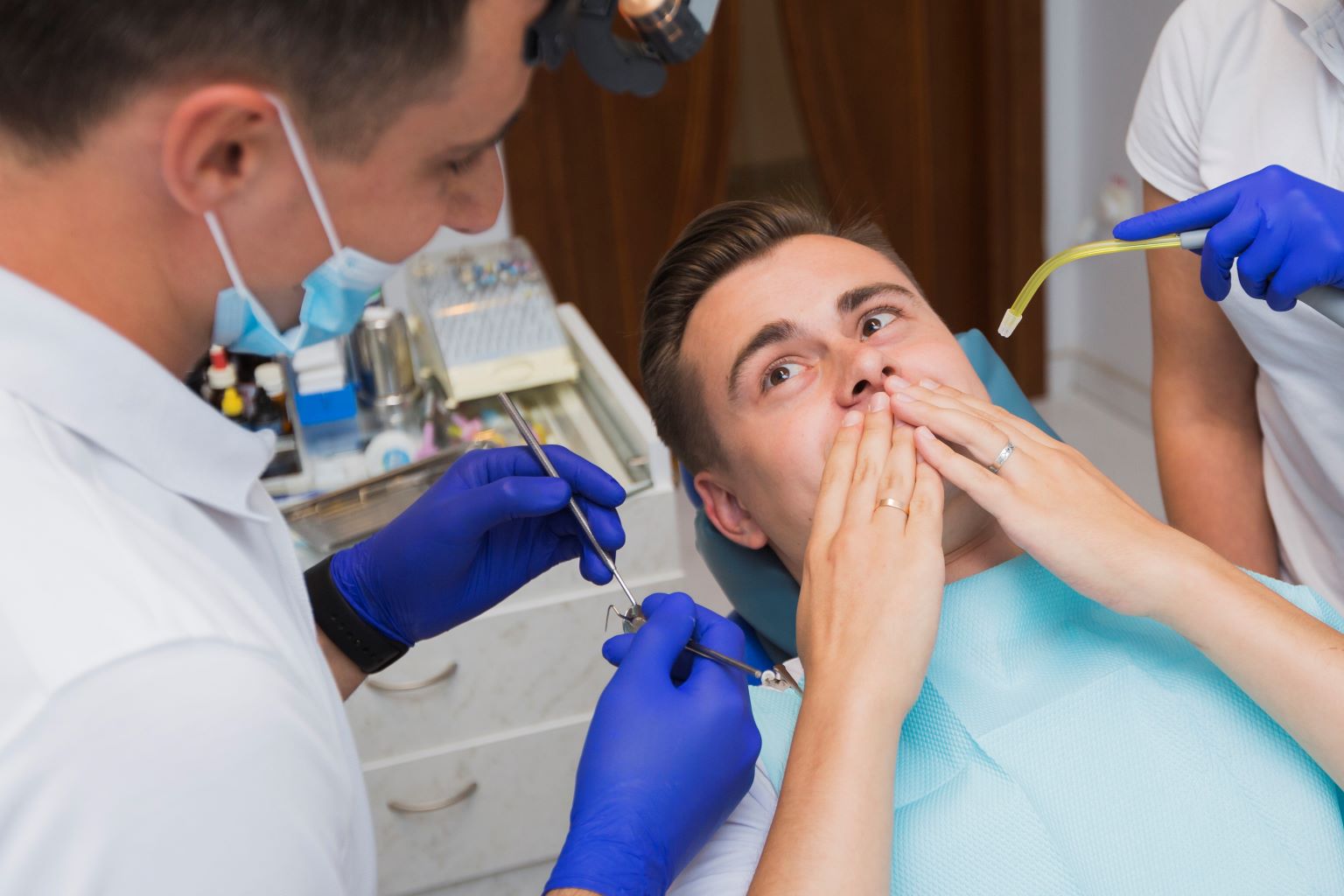
Could you please let me know how to determine when it’s necessary to seek urgent dental care? Knowing when to intervene will allow you to safeguard your smile and avoid minor issues developing into painful or dangerous ones. Being aware of the warning signs can help you avoid bigger complications. Therefore, when you are in a crisis and need immediate assistance, do not hesitate to contact an emergency dentist in Aspen. Dental emergencies will happen at any time. Receiving timely care will help.
Here are 10 obvious signs that you shouldn’t wait. After acting swiftly, you will be safe and feel comfortable again.
1. Severe or Sudden Tooth Pain
A dentist near you is normally sought by people because of severe tooth pain. If pain is sharp and constant, or it wakes you from bed at night, it could be a sign of an infection, a cracked tooth, or a deep cavity. The pain that does not go away by itself must always be addressed straight away.
2. Swelling in the Face or Gums
Swelling can be a sign of a serious infection. If there is swelling or puffiness around your child’s cheeks, jaws, or gums, along with fever or pain, you need care immediately. If left untreated, swelling that doesn’t go away sometimes gets worse.
3. Knocked-Out or Loose Tooth
A tooth that gets knocked out needs fast care, ideally within 30 minutes. If you act quickly, the tooth may still be saved. Even if a tooth becomes loose after an accident, it’s still an emergency and must be treated right away.
4. Uncontrolled Bleeding
If your gums or mouth are bleeding for more than 10–15 minutes, they should be checked quickly. Uncontrolled bleeding can be caused by trauma, gum disease, or a deep injury in the soft tissues.
5. Gum or Tooth Abscess
A dental abscess is an infected pocket that causes pulsating pain and swelling. It can also result in bad flavours in the mouth. This serious infection needs immediate attention so it does not spread further.
6. Cracked or Broken Tooth
A cracked tooth can expose the nerves and inner pulp, leading to pain or even infection. A small break should be treated immediately, the same da,y to prevent further damage.
7. Lost Filling or Crown
If a filling or crown is absent, then the inner tooth can no longer be protected. This can make you suddenly sensitive or hurt while you eat, drink, or breathe in cold air. Getting quick treatment prevents deeper tooth problems.
8. Jaw Pain or Difficulty Opening the Mouth
An injury, dislocated jaw, or infection can cause jaw pain, making it difficult to open or close the mouth. You should not ignore these symptoms, especially if they come with swelling and fever.
9. Sudden Sensitivity to Hot or Cold
If a tooth becomes suddenly very sensitive, it indicates nerve damage in it. If your sensitivity comes on suddenly and does not dissipate, it could mean your tooth needs some urgent care.
10. Pain That Interferes With Eating or Sleeping
If your pain has become so severe that eating or resting is difficult, your first action should be finding a trusted emergency dentist near you before the damage worsens. Delaying care often results in increased discomfort necessitating longer treatment.
How Pain Management Works in Dental Emergencies
The techniques that were used are called the basic treatment, which is the palliative treatment. Modern methods of pain management in emergency dentistry help you feel calm and comfortable, even during sudden or severe issues. You may be given injections to control the pain or numbing gel to lessen the pressure you feel.
Need Fast Relief for a Dental Emergency?
At the time of need, get relief and gentle care without delay. If you have a dental emergency, do not hesitate to call Montreux Dental Clinic today for prompt help and a positive fix.
FAQs
- Can a knocked-out tooth be saved?
Yes, if you act quickly and get treatment right away. Fast action increases the chance of saving the tooth.
- Why does swelling mean a dental emergency?
A swelling is a sign that there is an infection in your body, and if you don’t treat a serious infection soon.
- What should I do if my crown falls off?
To avoid tooth sensitivity or more damage, you should see a dentist today.
- How do I know if tooth pain is serious?
If pain is sharp and keeps you from sleeping, it needs to be addressed right away.